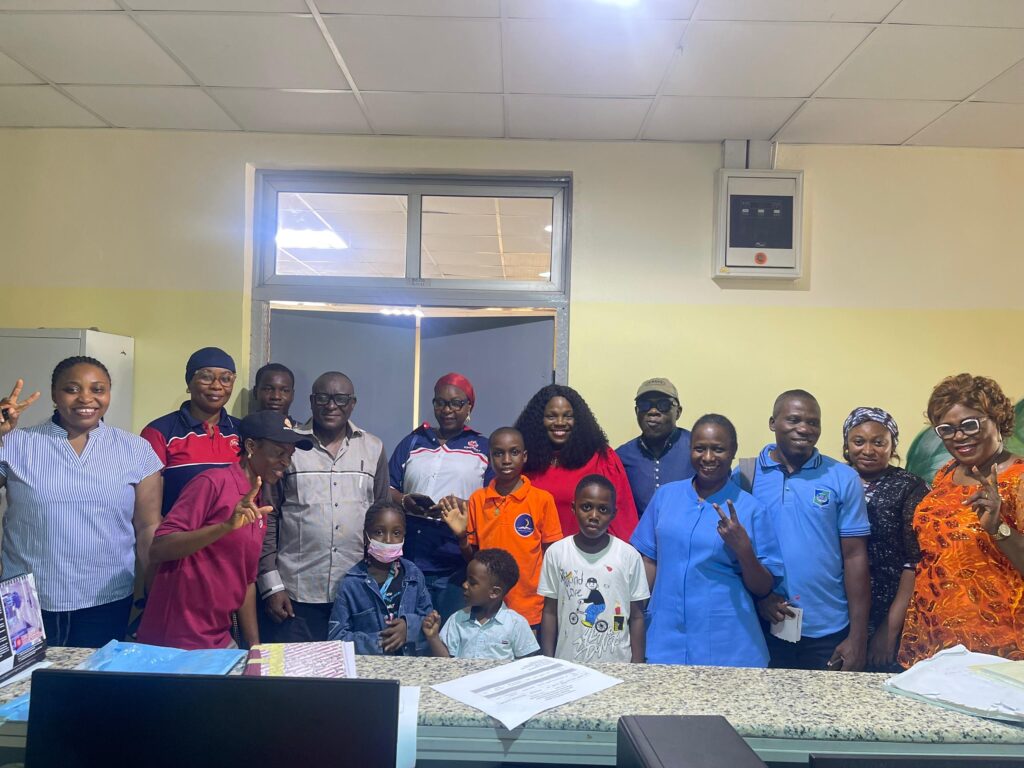
Hope is stronger than fear. That is what we told the young warriors in Ward 6 of the National Hospital Abuja on Children's Day — and that is what we meant with every fibre of who we are.
Children's Day is a celebration. Across Nigeria, children were playing, laughing, eating rice and chicken at family parties. But in the Inpatient Paediatric Ward of the National Hospital Abuja, a different kind of courage was on display — the quiet, daily bravery of children fighting cancer, and the families who have given everything to be by their sides.
On Wednesday, 27 May 2026, a KindNest Care Foundation team — led by our Board of Trustees member, Mr Abiodun Bamidele, and our Northern Regional Coordinator, Mrs Bola Jamgbadi — visited the ward to mark the day with the children who needed celebrating most. We came with financial support, with gifts, and with something we hoped was just as meaningful: presence.
Why We Went
This was not a one-off gesture. Visiting hospitals, orphanages, correctional centres and care homes has been part of KindNest's DNA since our earliest days. We go because we believe no child should feel forgotten — not on a regular Tuesday, and certainly not on Children's Day.
The children in this ward are battling leukaemia, retinoblastoma, kidney cancer, and neuroblastoma. They are small people facing enormous battles. Some have been in hospital for weeks. Their parents have been sleeping on plastic chairs. Medical bills have consumed life savings. And still, these children smile.
These young warriors fight difficult battles every day with courage beyond their age. Today we want them to know they are not alone.
— Mrs Bola Jamgbadi, Northern Regional Coordinator, KindNest Care Foundation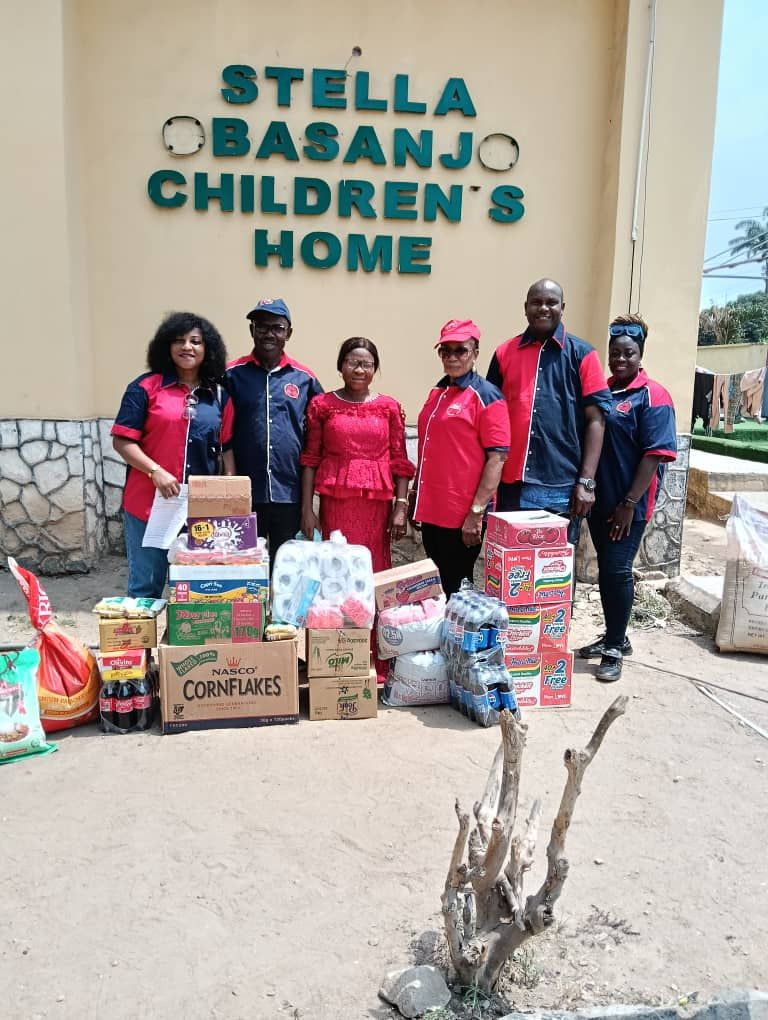
What We Witnessed on the Ward
When we arrived, the medical team welcomed us with warmth and an honest briefing of the situation. Dr Juliet Okpala, a Senior Registrar in Paediatrics and member of the oncology team, explained that the ward sees cases of leukaemia, retinoblastoma — a cancer of the eye — kidney cancer, and neuroblastoma on a regular basis.
Many of the patients, she told us, come from families with very limited means. And even those who once had financial stability have, in many cases, been brought to their knees by the cost of treatment. Childhood cancer is not quick. It is not cheap. And it carries a stigma that means many families suffer in silence.
"Every support they receive from external sources goes a long way. We appreciate KCF for supporting our children and lifting their spirits."
"I am very happy to see people come to celebrate and support them. It means a lot that they are remembered on a special day like this."
The Faces Behind the Bills
We sat with parents. We listened. Mrs Anthonia Kingsley has been in the hospital for three weeks with her son, who was diagnosed with leukaemia. Three weeks away from home, from her other children, from her work — sustained only by hope and the kindness of strangers.
Mrs Amaka Ugbor's son is battling cancer of the white blood cells. She told us the financial support would go a long way. But what we noticed, as she spoke, was that she meant more than money. She meant the act of someone showing up.
Our Board of Trustees member Mr Bamidele was direct about what we brought: "The support is small. But we are happy to contribute to their wellbeing." He called it a token — and in terms of the enormous cost of cancer treatment, it is. But to a family who spent another night worrying about hospital bills while their child slept fitfully, a token of genuine care is not nothing. It is everything.
Many of the children are unable to pay their hospital bills. Although the support is small, we are happy to contribute to their wellbeing. Every child deserves to be healthy and happy.
— Mr Abiodun Bamidele, Board of Trustees, KindNest Care Foundation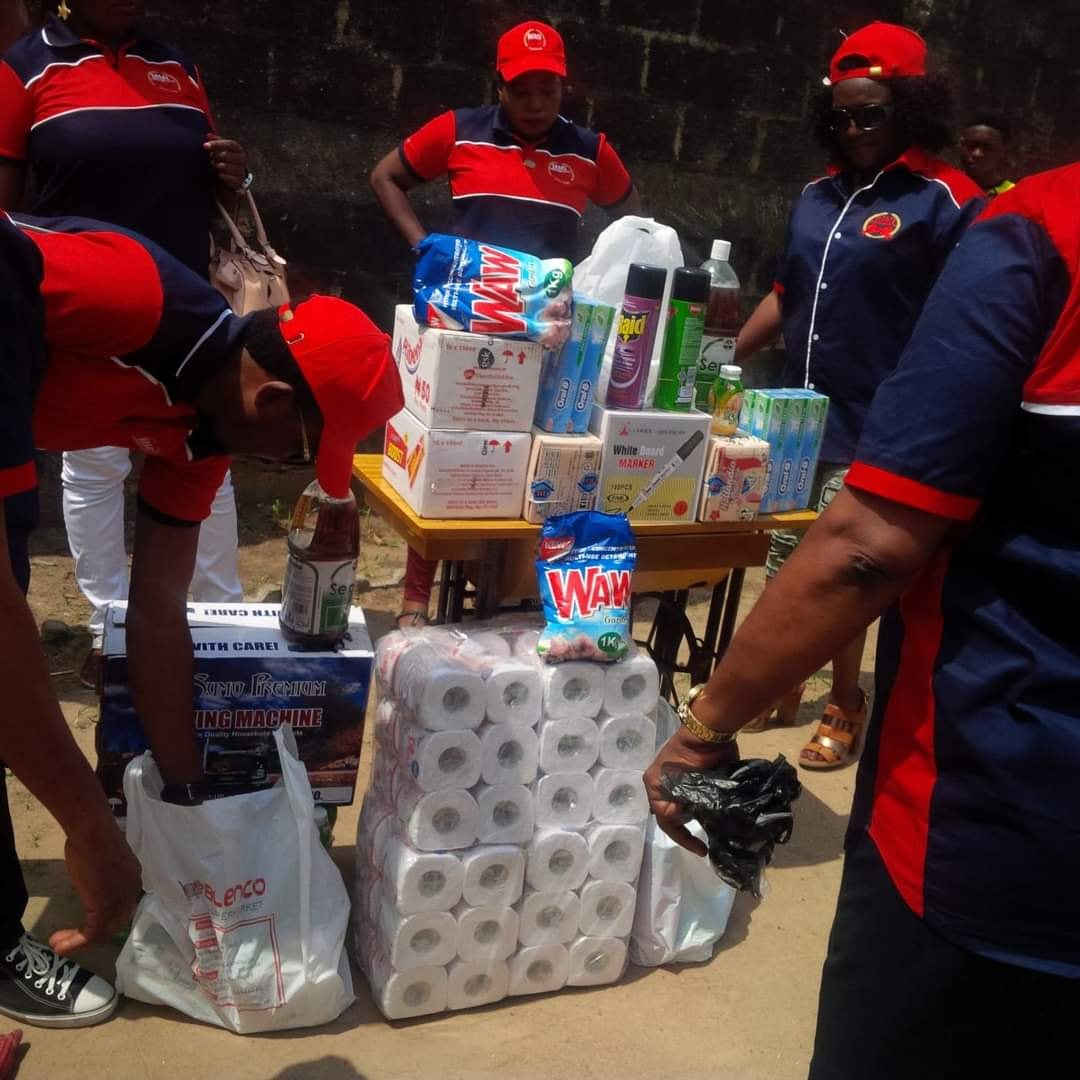
What the Medical Team Wants Every Parent to Know
The clinical staff used our visit as an opportunity to share a message they have been trying to amplify: early detection saves lives.
Dr Okpala noted that most childhood cancers do not have a single, clearly known cause — though certain genetic factors and environmental exposures, including benzene and unnecessary radiation from X-rays, have been linked to increased risk. Avoiding these where possible is a practical step families can take.
But the most important message was this: if your child has been persistently unwell — especially if repeated malaria treatment is not producing improvement — do not stop at malaria. Push for further investigation. Cancers caught early are far more treatable.
Mrs Gracious-Vine added a call to conscious nutrition. Children should be eating natural, whole foods as much as possible. Canned foods and highly processed fast foods should be minimised — a message especially relevant in an era where ultra-processed foods are becoming more accessible to Nigerian families across all income levels.
Key health messages from the National Hospital Abuja oncology team
- If your child is persistently ill and repeated malaria treatment is not working, request further investigations — it could be cancer, caught early.
- Avoid unnecessary exposure to ionising radiation. Not all X-rays are medically necessary.
- Limit children's exposure to benzene, found in some household chemicals, vehicle fumes, and industrial settings.
- Encourage natural, whole food diets and reduce canned and ultra-processed food consumption.
- Childhood cancer carries stigma — fight it. Children battling cancer need love, presence, and community, not isolation.
A Call to Nigeria: These Children Need Us
The financial burden of childhood cancer in Nigeria is staggering. Treatment costs for conditions like leukaemia can run into millions of naira. Government health insurance coverage remains inconsistent. Families are selling land, borrowing from relatives, abandoning businesses — doing everything they can to keep their children alive.
This is not a problem that one foundation can fix alone. KindNest Care Foundation is one voice calling for many more. We are urging corporate organisations, public institutions, religious bodies, and individual Nigerians to look toward the paediatric cancer wards in our hospitals — and to give. Whether it is cash, hospital consumables, food, or simply time — it matters enormously.
The doctors and nurses doing this work every day deserve our deepest respect. They are watching children fight for their lives in under-resourced conditions, with families stretched to breaking point, and they show up anyway. So must we.
Our History of Showing Up
This visit to the National Hospital Abuja was not exceptional — it was routine. That is the point.
KindNest Care Foundation established and registered. Humanitarian visitation programmes to orphanages, correctional centres, hospitals, and welfare institutions across Nigeria begin.
An informal partnership with the Lagos State Special Approved School and Correctional Centre, Idi-Araba, Lagos, is established — one of KCF's earliest institutional engagements. Annual visitation and support programmes commence.
Outreach programmes expand across multiple states, including Abuja and Port Harcourt. Consistent visits to hospitals, care homes, and vulnerable communities continue annually.
The COVID-19 pandemic temporarily suspends physical visitation programmes. KCF maintains contact with partner institutions and continues advocacy work remotely.
Full outreach programmes resume and expand. KindNest rebrands from Matured Minders Initiative to KindNest Care Foundation, reflecting its growing national reach and deepened mission.
Children's Day visit to the Inpatient Paediatric Ward, National Hospital Abuja — bringing financial support and celebration to children battling cancer.
These Children Need Your Support
Every naira donated goes toward supporting children who cannot afford their cancer treatment. Join us in ensuring no family faces this battle alone.
Donate to KindNest Care Foundation KindNest Care Foundation